
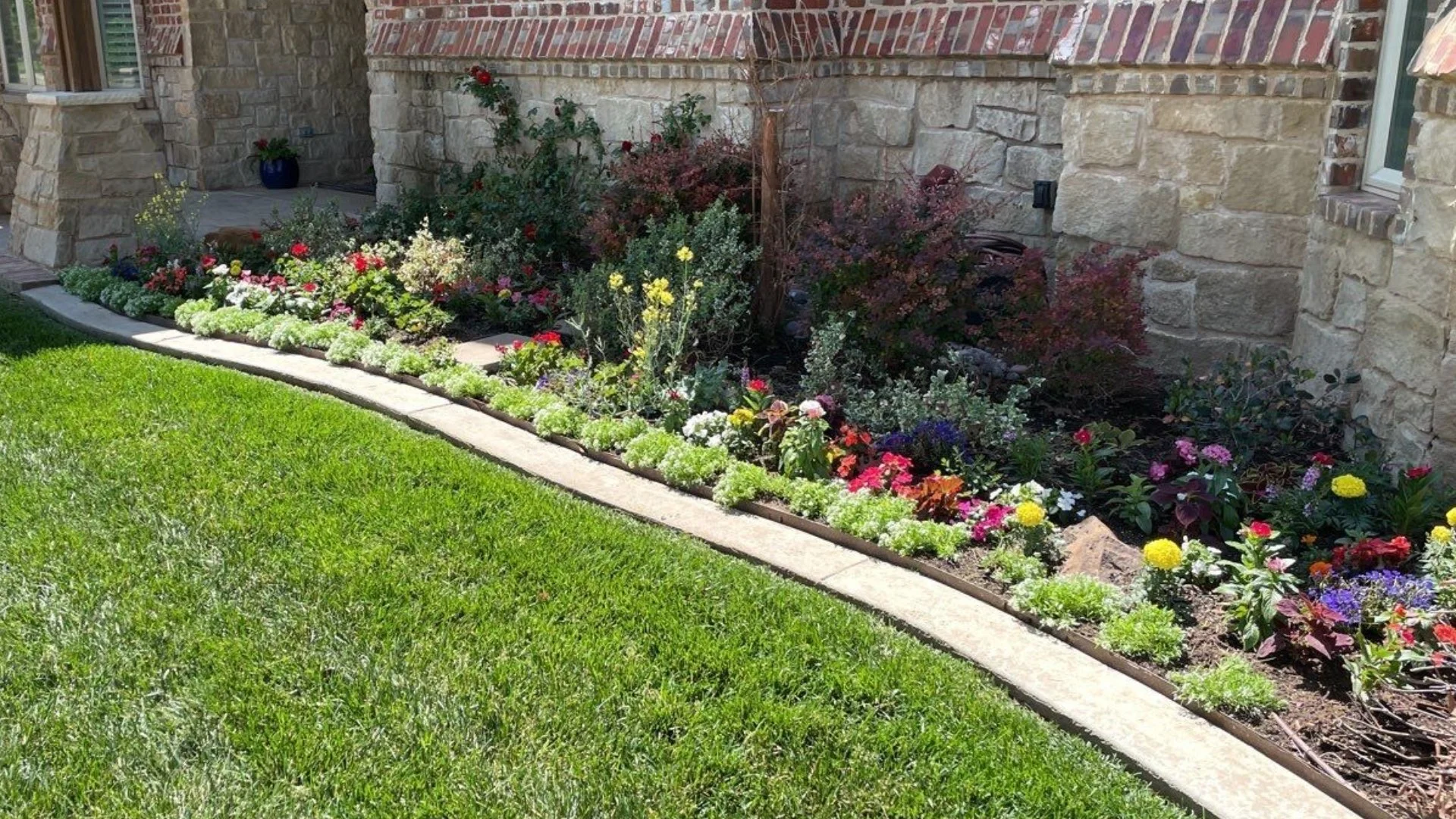
Layering plants effectively enhances the visual appeal of your landscape in Texas. You should arrange them based on height, texture, and color. Following the 3-tier rule, place the tallest plants in the back or center, medium-sized ones in the middle, and low-growing plants in the front to ensure sunlight access and create a harmonious look. Staggering plants in a zig-zag pattern adds depth and encourages exploration, while grouping 3-5 plants of the same type together creates bold, cohesive clusters. Using contrasting leaf textures and shapes, along with complementary or contrasting colors, adds complexity and interest, resulting in a more dynamic and engaging landscape.
Arrange your plants by height for an organized look.
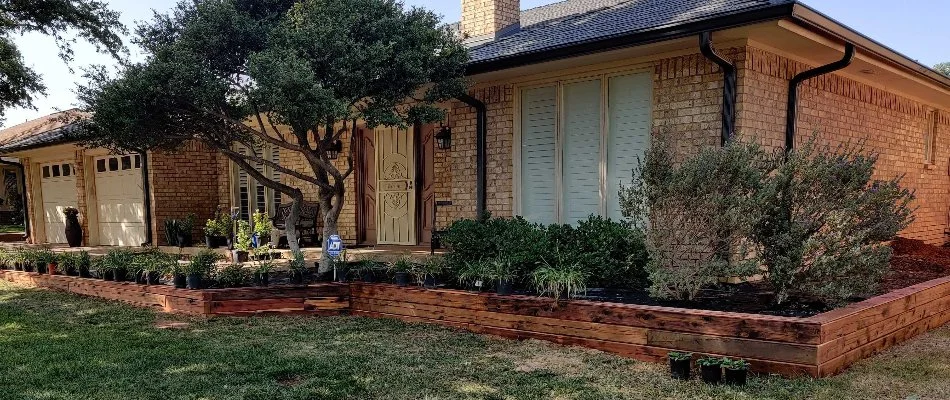
A fundamental principle of layering is arranging plants by height. This not only creates a more organized and harmonious look but also ensures that each plant gets the sunlight it needs. To do this, follow the 3-tier rule:
- Place the tallest plants in the back or center. These plants serve as the backdrop or central focal point of your landscape. Depending on the design, they can provide privacy, shade, or simply an impressive visual anchor.
- Next, add medium-sized plants in the middle. These plants, such as perennials and smaller shrubs, form the middle layer and help transition from the tall backdrop to the lower-growing plants in the front. Choose plants with varying bloom times to ensure continuous interest throughout the growing season.
- Finally, add small or low-growing plants in the front. These can be annuals, perennials, or ground cover that will help create a smooth transition from the taller plants to the ground. These plants are often the most colorful and can be changed seasonally for a fresh look.
Staggering plants in a zig-zag pattern makes your landscape look more organic.
Arranging plants in a zig-zag pattern rather than in straight lines can transform the visual dynamics of your garden. This approach mimics the randomness of nature, creating a more organic and appealing layout. By staggering plants, you break up rigid, linear formations, allowing the eye to move fluidly across the garden. This technique not only adds depth and dimension but also ensures that each plant is visible and appreciated. The zig-zag pattern encourages exploration, inviting viewers to engage with the landscape and discover the variety and textures within each layer.
Group 3-5 Plants of the Same Type Together for a Bold & Eye-Catching Look
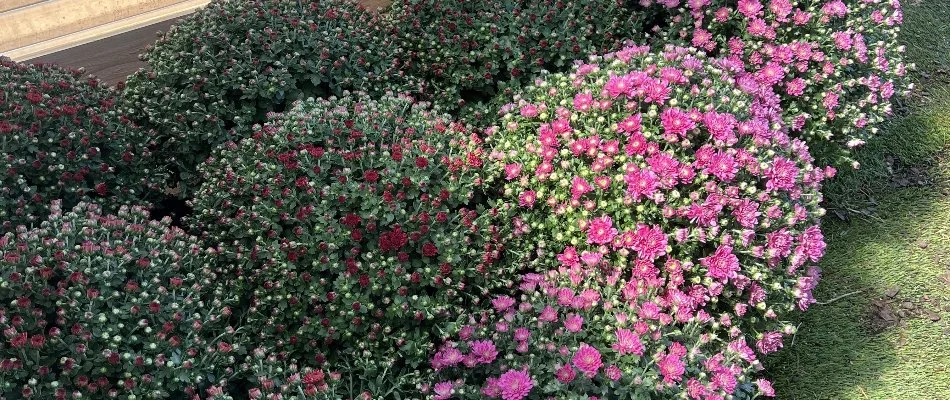
Grouping three to five plants of the same type together can significantly enhance the visual impact of your landscape. This method creates bold, cohesive clusters that stand out, adding swathes of color and texture that draw the eye. By mimicking the way plants naturally grow in clusters, you achieve a more harmonious and organized look. This technique is particularly effective with flowering plants, as larger groupings can create stunning focal points within the garden.
Use Contrasting Leaf Textures & Shapes
Incorporating contrasting leaf textures and shapes is a powerful way to add depth and interest to your landscape. For instance, the broad, lush leaves of hostas placed side by side with the delicate, feathery foliage of ferns create a striking visual contrast. Similarly, combining the spiky, linear leaves of ornamental grasses with the soft, rounded leaves of other plants introduces variety and intrigue. These textural contrasts not only add complexity but also highlight the unique characteristics of each plant, making your garden more engaging.
Color is another essential element in the art of layering plants. By using contrasting or complementary colors, you can craft a garden that reflects your desired mood and aesthetic. Contrasting colors, like purple and yellow, inject energy and vibrancy, creating a lively atmosphere, while complementary colors offer a more soothing and harmonious effect. It’s important to consider both the color of flowers and foliage to enhance the overall palette of your landscape, ensuring a cohesive and visually appealing design.
Call us today to sign up for our plantings and softscapes service!
At Bravo Xteriors, we understand the importance of creating a beautiful and functional outdoor space that reflects your unique style and personality. That's why we offer a plantings and softscapes service to help you create a stunning and dynamic landscape with plants that are beautifully layered and arranged. Our team of experts will work with you to choose the perfect plants, trees, and shrubs for your space, taking into account factors such as soil type, sun exposure, and water requirements.
We offer this service to commercial and residential property owners, as well as HOAs, in Lubbock, Shallowater, Levelland, and throughout the surrounding areas in Texas. Give us a call today at (806) 686-1191 to sign up for our landscape design service!


Comments (0)
Thanks for your comment!
Thanks for your feedback! Your comments have been successfully submitted! Please note, all comments require admin approval prior to display.
Error submitting comment!
There is a problem with your comment, please see below and try again.